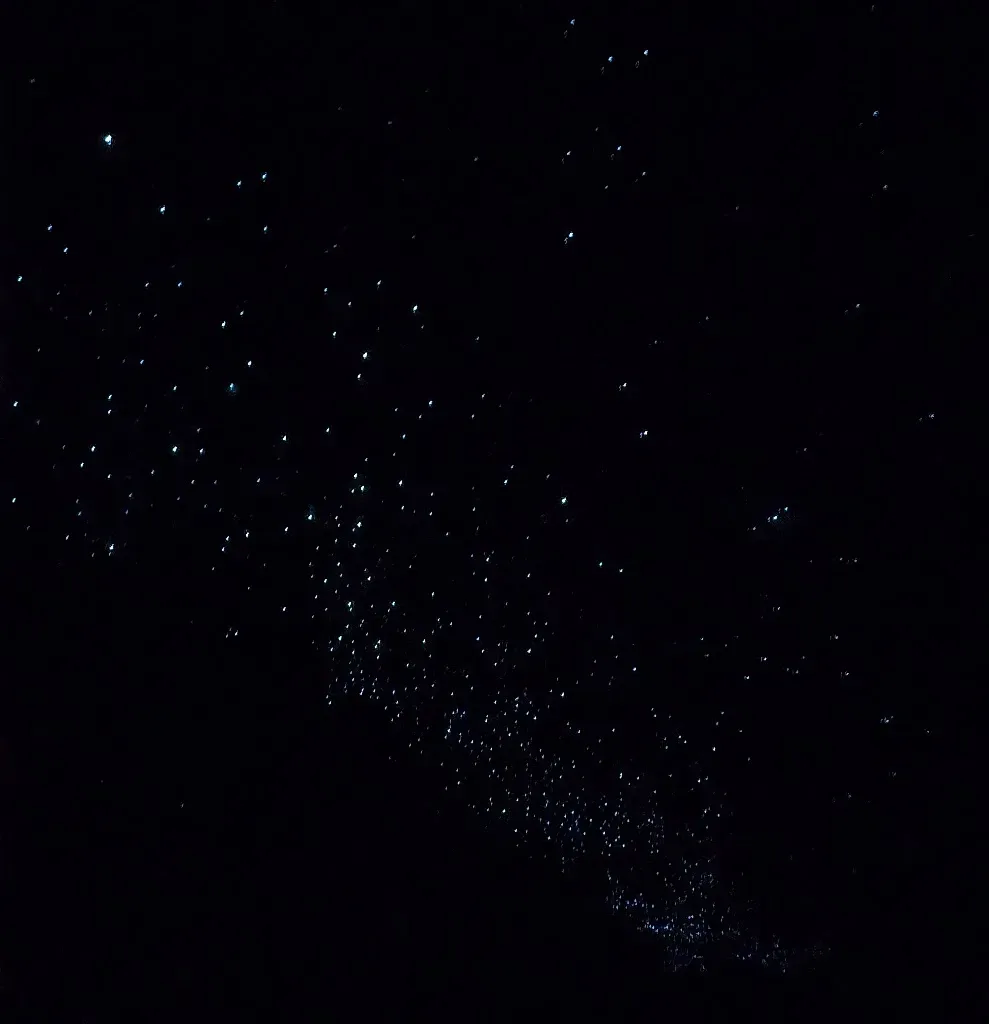
Type “Waitomo” into any search engine, and the first hits will probably involve caves, glowworms, or both. And rightfully so, because walking into a cave that is completely illuminated by thousands and thousands of small blue lights is a magical experience. That magic is exactly what pulls people towards Waitomo for a day, or maybe a night. However, there is more to Waitomo than just glowworms, and the beautiful area surrounding it, is what made me stay. So in the spirit of making the most of everywhere you go, let the diverse beauty of Waitomo inspire you. And if you need anymore convincing, most of these activities are completely free!
Glowworms
First things first, glowworms are what made Waitomo famous, so they do remain the number one attraction in this area. And there are many places in the region (and the rest of the country!) where you can admire them. So many even, that I will tell you all about them in this dedicated post.
Waterfalls
Waitomo is surrounded by such spectacular waterfalls, that it honestly suprises me how few people visit them after checking out the glowworm caves. Marokopa falls, Omaru falls, and Waitanguru falls are each located at a 30 to 60 minute drive from Waitomo. To save some petrol, you can combine them with other sights, or visit them on the way to your next destination.
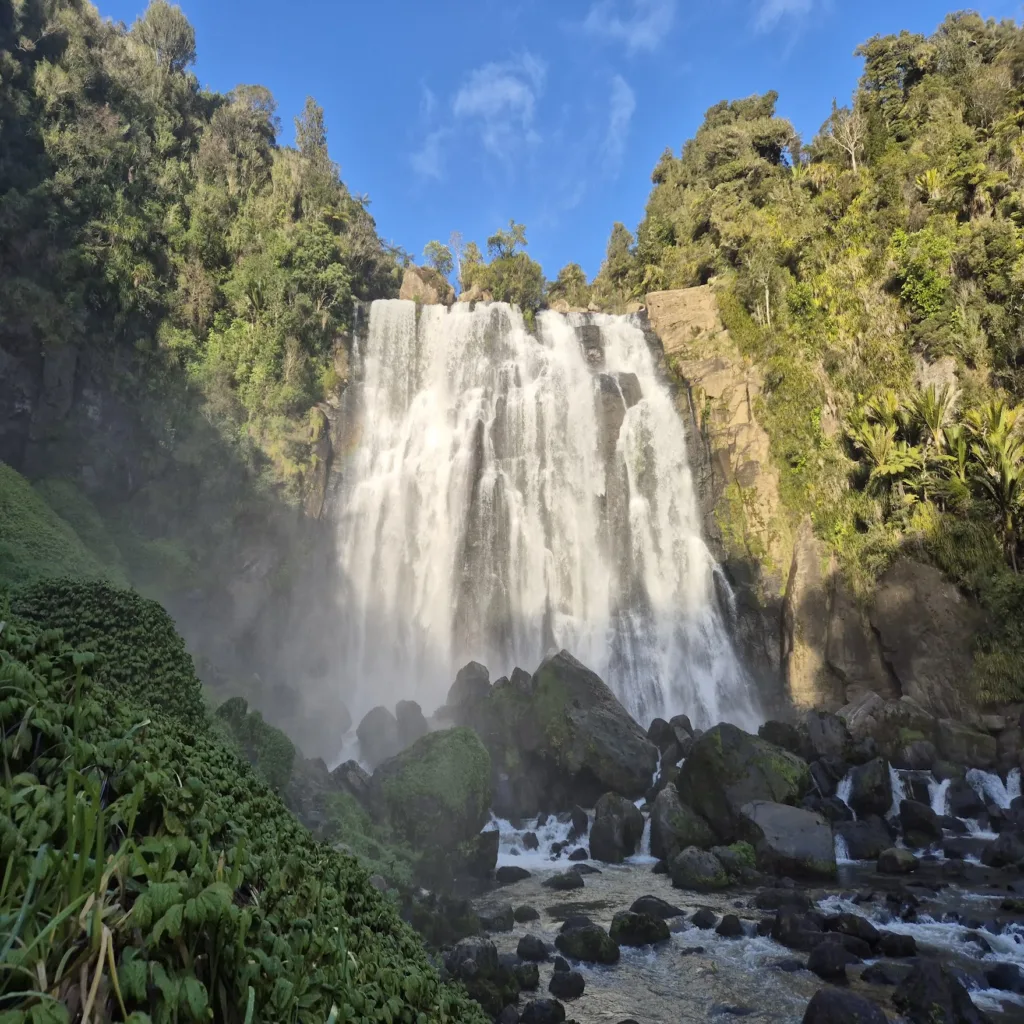
Marokopa falls [600 m return]
Getting to Marokopa falls takes you on a short bush walk through a lush native forest. You can park right next to the main road between Waitomo and Marokopa. Among others you can find tawa trees, and nīkau palms (New Zealand’s only native palm tree!) alongside the well-maintained track to the viewing platform. If you instead want to get up and close with the waterfall, you can make your way towards it following a muddy track that doesn’t seem to be maintained anymore. This option depends on your taste for adventure and muddy boots, as the way down gets slippery and coated and brown mud.
Regardless of what option you choose, this 35 meter fall is sure to impress you. In any other place this would likely be a main highlight, whereas in here it is one of the most underrated stops in an area where you may already find yourself anyway.
Omaru falls [1.7 km return]
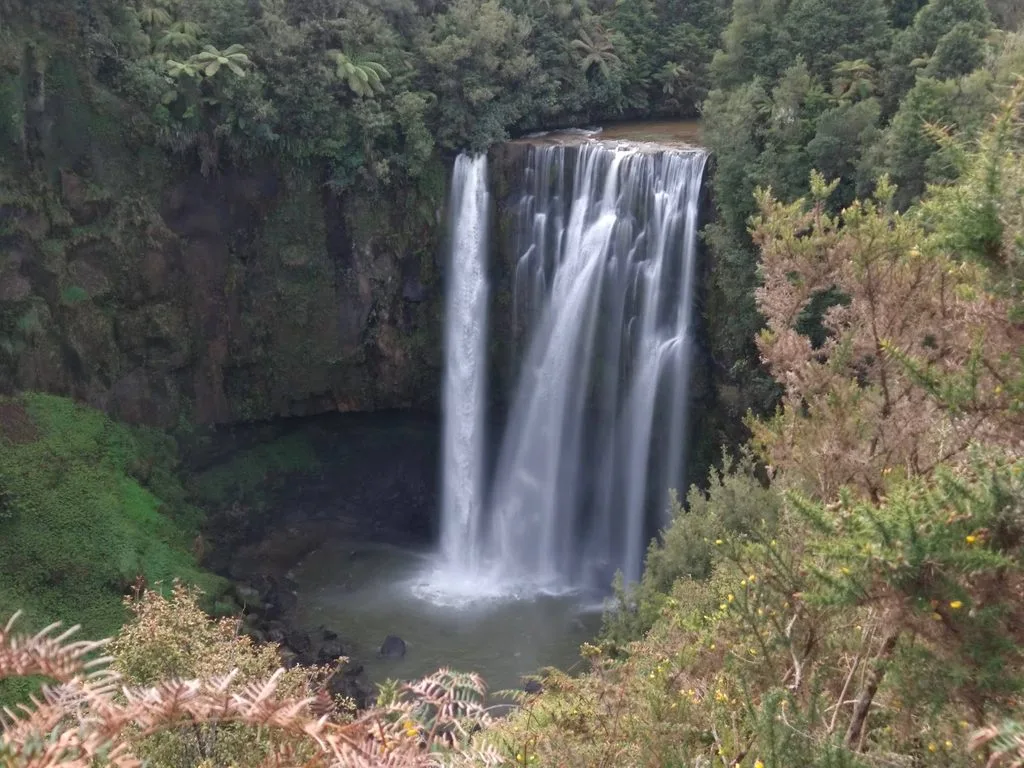
Another waterfall that is as impressive as Marokopa falls, is Omaru falls. With 45 meters it stands even taller than the former one, and the water volume is exceptionally impressive during or after heavy rain. Getting to the falls requires slightly more effort, as the return walk is about an hour there and back. The parking sits along a short gravel road, with limited parking (but also limited visitors, so you should be good).
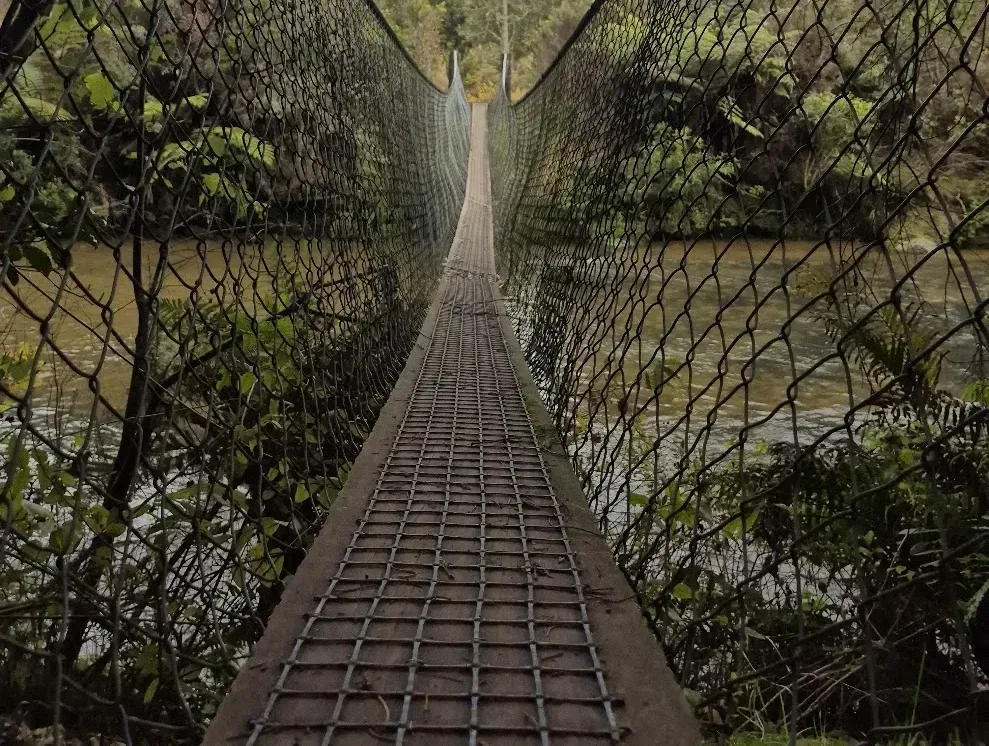
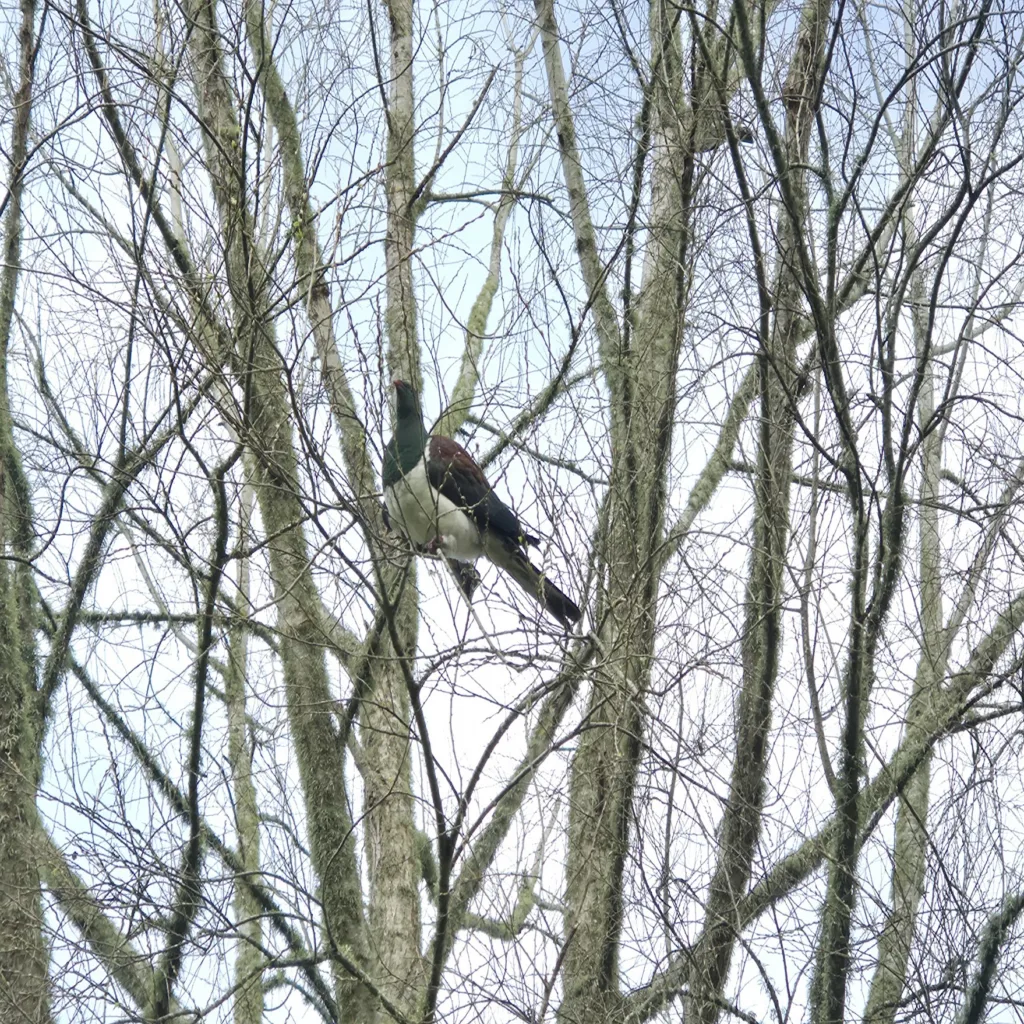
The track transitions from farm area into forest, where tree roots make the track a little bit uneven, but still comfortable to walk. Not too far from the waterfall, a swingbridge will take you across to the other side of the stream. From there you can make your way up to the viewing platform. The viewing platform is the only good place from where you can admire Omaru falls. There is no safe way to get down to the pool. Nevertheless, the viewing platform is a peaceful spot to enjoy naturel, accomponied by the roaring sound of falling water. After you return towards your car via the same track, don’t forget to look up to the trees along the farmland. These willows are often visited by flocks of kererū (New Zealand’s native, massive wood pigeon), especially in late winter and early spring!
Waitanguru falls [200 m return]
The last falls in this area that are worth a mention are the Waitanguru falls. Unfortunately, my planning turned out to tight to fit them in, so I missed them. This tiered waterfall looks incredible in online images, so I will include it in the itinerary, so you won’t have to miss out too. It’s only 200 meter out and back from the carpark, so you don’t even have to break a sweat for it.
Other scenic walks (and free glowworm spots!)
After you’re done chasing waterfalls, there is more beauty waiting for you! In an area with caves and waterfalls, it is no wonder that there are some gorgeous rock formations to be seen.
Ruakuri bush walk (link to and from glowworm post)
Closest to Waitomo is the Ruakuri bush walk. It’s only a 6-minute drive from Waitomo village to the Ruakuri Reserve car park, or you can even walk there using the Waitomo walkway. As you might understand, walking will take a bit longer than six minutes, probably about 45 minutes one way. No matter how you get to the Ruakuri bush walk, the walk itself is only 1 km long. To an avid hiker, that might not sound very interesting, but I swear, this is the prettiest short walk I have seen in my life. The forest track features streams, waterfalls, limestone formations and caves, all packed into the 1 km!
The first wet cave that you encounter on your left is one that is used for blackwater rafting. You might therefore occasionally see people drifting by on tubes if you look closely.
Mangapohue natural bridge (link to and from glowworm post)
Piripiri cave
Beaches
So glowworms, caves, waterfalls, rock formations… can the Waitomo district have even more to offer? The answer to that is yes. As long as you don’t mind a bit more of a drive that is.
Kawhia hot water beach
Waikawau tunnel beach
Fantasy backdrop
Hairy feet Waitomo