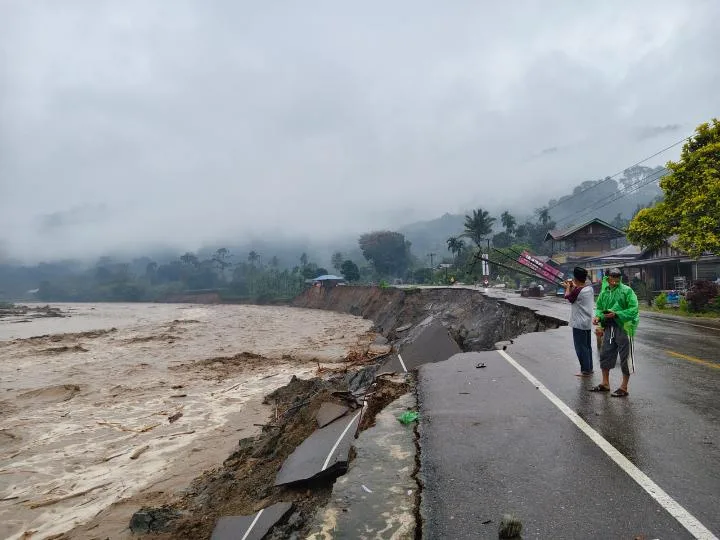
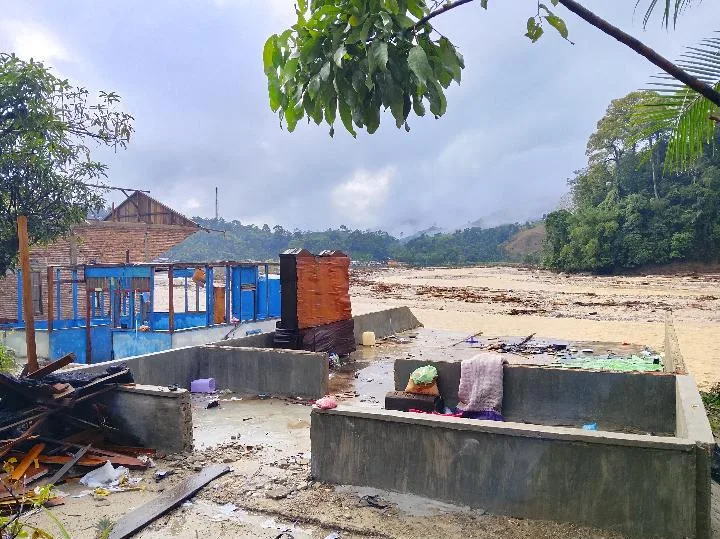
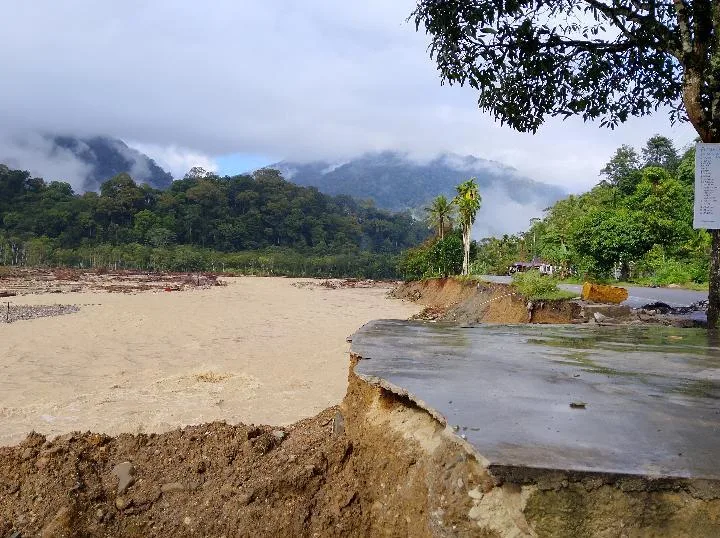
The taste is bittersweet. After spending three fantastic weeks in Sumatra, we came home with adventure stories, wildlife photos, unforgettable memories, and new friends. However, we also came home to the news headlines: “More than 1100 dead after floods in Indonesia, Thailand, and Sri Lanka”. We saw videos on the Instagram feeds of our new Sumatran friends of murky brown water rising, and houses destroyed. The murky brown river in Ketambe had swallowed half of the main road (the only access road) and all of the houses on the left side of it. It is devastating to see headlines like this as it is, but having been there just a week before… It hits home.
Exceptionally heavy rains
The rainy season in Sumatra runs from about October to March. During this time of the year, heavy rains are not exceptional. However the magnitude of it was, as was the level of destruction it led to. This can be partly explained by the simultaneous occurance of La Niña and the lesser known Indian Ocean Dipole. These two climate phenomena that are associated with large amounts of rain, normally do not occur at the same time1. But this time they did, bringing exceptionnally heavy monsoon rains to the area.
That’s not all. Climate change is real, and Asia is heating up about twice as fast as the global average. Warmer ocean temperatures can give more energy for storms to build up, while warmer air can hold more moisture2. When the soil is already saturated from earlier rains, severe floods can be expected. And yet it’s not even only about heavy rain. The region is used to monsoon seasons and occasional floods. All houses are built on poles to accomadate for wet weather. But deforestation for palm oil plantations, mining, and (illegal) logging leaves the island with weaker watershed protection. Adding this into the mix is a guarantee for destruction of communities and nature. And this is exactly what happened.
The damage
On November 26th, thousands of people lost their homes, hundreds their lives to the Sumatran floods. Ketambe is one of the places in Sumatra that was hit hard. Even now, more than a week later, people are still looking for missing family members. Supplies of basic needs are low, because the only access road to the village has turned into a river. The people of Ketambe are working hard to get food and medical aid into the village on motorbikes, but fuel is scarce. It will take a long time to rebuild what was lost in these flood, while some things can never be rebuilt.
The human toll is high, but also nature got hit, the people who protect its forests and wildlife are cut off from the jungle and the longest running orangutan research station in Ketambe has been washed away. It is only the most recent example of the effects of a human-caused climate crisis.
What can we do?
Cathastropic events like these are expected to occur more and more often as the climate crisis unfolds. As long as our governments fail to take action, we must take the matter into our own hands: make a stand against deforestion, protest against fossil fuels, support natural solutions, and take a critical look at your own footprint. Find a way to do something, anything, that suits you best. Many small actions can make a big impact. Share ideas with the people you love of how to live more sustainble, so we can stand together against the big money initiatives that ruin our planet.
Help the people in need
One small action that we can take, is to make a donation to help rebuild the affected area, and the peole who protect its forests and wildlife. Below I will share some links via which you can help the people in Ketambe. This is not the only village in Sumatra that was hit hard by the floods, but my contacts here can resassure that the raised funds go directly to the local community. If you have a way to help other villages in Sumatra, Sri Lanka, or Thailand, please send me a private message with your contact person, so we can get in touch.
Links
I hope this is needless to say, but the following links are NOT affiliate links. I do not get anything for referring you here, and I wouldn’t want to make a cent of the misfortunate of other people. 100% of your donation goes directly to the local communities.
- Fundraising link from the organisers of ethical Jungle Treks in Ketambe. They work hard to get vital supplies into the city, and will work towards rebuilding homes when road access is regained.
- Fundraising link from the owners of a guesthouse in Ketambe. They have already succesfully distributed food among those most in need, and are still working to continue their important work.
- Fundraising link from the ecosystem impact foundation. Normally dedicated to supporting conservation initiatives and nature eductation, they are now contributing to helping those affected by the floods in Sumatra.
Sources
1Knol, R. (2025, 30 November). Waardoor valt er op dit moment zoveel regen in Zuidoost-Azië? NOS. Retrieved from NOS.nl on 6-12-2025.
2Regan, H. (2025, December 6). How a cocktail of rogue storms and climate chaos unleashed deadly flooding across Asia. Retrieved from CNN on 6-12-2025.

Wat heftig om te zien hoe krachtig de natuur kan terugslaan, het is net of moeder aarde zegt: genoeg is genoeg.
Toen ik jaren geleden in Thailand was, zag ik ook zo’n modderstroom op een van de eilanden.
Het massaal weghalen van bomen kan heel wat nadelen hebben!
Precies wat je zegt! We kunnen wel wat beter voor moeder aarde gaan zorgen, dan blijft zij voor ons zorgen 🙂
Ziet er als een heel mooie reis uit. Jammer dat het weer alles moet stuk maken van de mooie natuur.
Het was zeker een mooie reis! Binnenkort volgt meer over alle prachtige dingen die Sumatra te bieden heeft. Als het ergste voorbij is, en de getroffen gebieden weer kunnen gaan opbouwen is er juist behoefte aan toeristen, om de locals te steunen. Hopelijk blijven die hierdoor dus niet weg. Sumatra is echt een parel, zowel qua natuur als qua mensen.
Unbelievable to see how powerfull the nature is! I have to say I must missed it or the media in Belgium didn’t mention it.
I hope the people there get a lot of help!
Unbelievable indeed. It’s true that you mention that the media in many countries didn’t cover this story, or only briefly. It’s one of the reasons why coverage on other channels such as blogs and social media is so important to get help to the affected areas. Thanks for your wishes!